Wakatobi Diving Guide 2026: Complete Resort, Sites, and Cost Breakdown
The 30-minute read that replaces a week of research. Honest comparisons, current 2026 prices, and the 30 dive sites you actually want to visit.
Quick Summary: Is Wakatobi Right for You?
Wakatobi diving is consistently rated in the top 3 destinations worldwide by Scuba Diving Magazine, Sport Diver, and the British Sub-Aqua Club. The reason: it combines the marine biodiversity of the Coral Triangle (the world’s epicenter for reef life) with active 30-year reef protection, accessible house reef diving, and a small number of well-regulated luxury operators. Wakatobi is best for: certified divers (Open Water minimum, Advanced preferred for the deeper sites), photographers focused on macro and wide-angle, divers who want a comfortable resort base rather than liveaboard rocking, and travelers willing to spend $7,000+ per person for a 7-night experience. It is not a budget destination, and it is a substantial commitment in flight time (typically 30+ hours from US/EU). Snorkelers can have a tremendous experience too, particularly at the Wakatobi Resort house reef which has shallow reef sections starting at 2 meters depth.
Wakatobi Resort Options Compared (2026 Rates)
Wakatobi Dive Resort — The Premium Standard
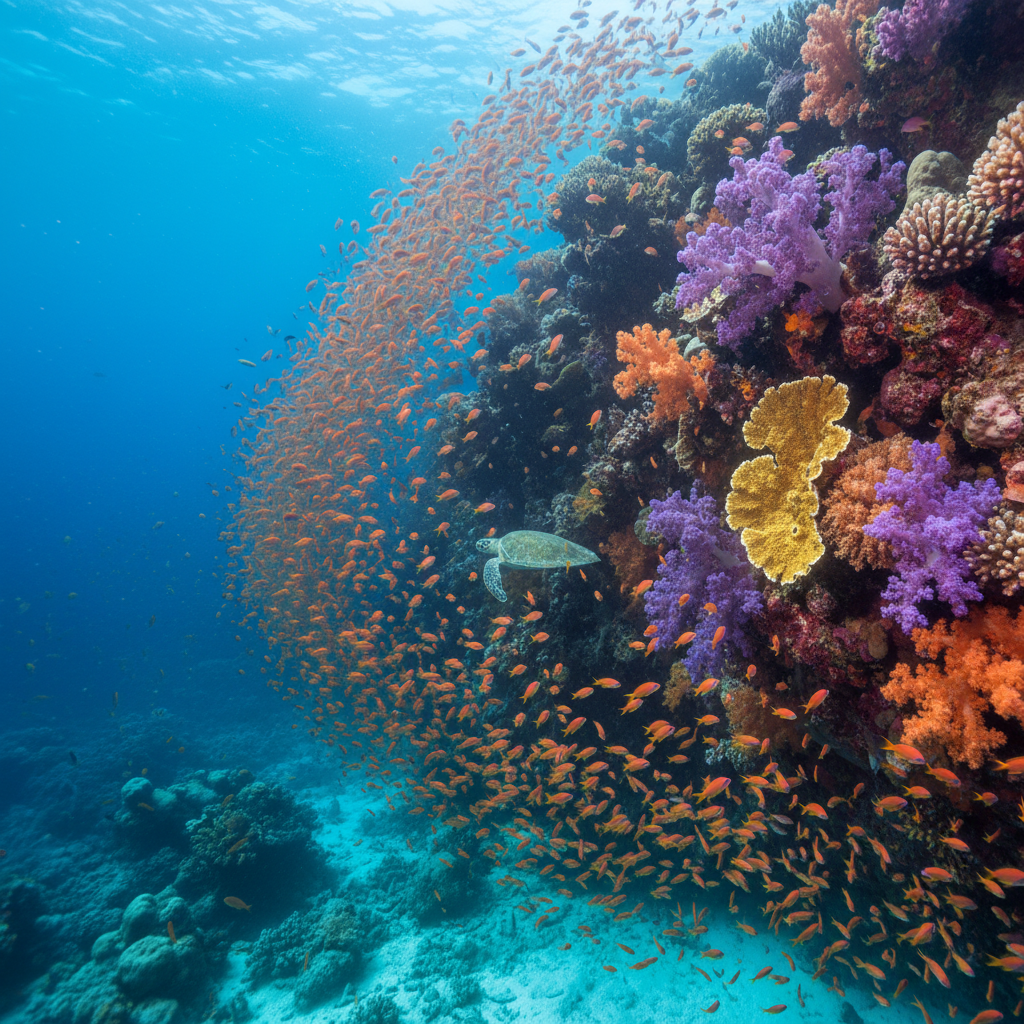
Located on the southern tip of Tomia island, Wakatobi Dive Resort has been the benchmark Indonesian dive resort since 1996. The resort hosts a maximum of 70 guests across 28 villas and bungalows. The 2026 published rates start at $4,450 per person per week (twin share, garden bungalow, includes all dives, all meals, transfers from Bali). Premium oceanfront villas reach $7,200 per week. The resort operates four custom dive boats, four dive guides per boat (1:4 guide ratio), and provides nitrox at no additional cost. The house reef wall is accessible 24/7 and is widely considered the best house reef dive in Indonesia.
What you get for the price: outstanding dive operation, professional photographers on staff, charter flights from Bali ($730 round-trip), a strict no-tipping policy that’s actually enforced, and rooms that score 9.4+ on Booking.com year after year. What you don’t get: the rock-bottom prices of generic Sulawesi dive operators, a wild night life, or significant snorkel-only programs.
Patuno Resort — The Mid-Range Alternative
Patuno Resort sits on Wangi-Wangi island near the Matahora airstrip and serves as the most popular non-Wakatobi-Resort option. Rates range $150-280 per night for the room, with diving arranged separately through Patuno Dive Center or other Wangi-Wangi operators (typical $90-120 per 2-tank boat dive). Patuno is the right choice if you want to dive Wakatobi without the resort price commitment, are traveling with non-divers, or plan to combine Wakatobi with Bali or Manado on a longer Indonesia itinerary. Honest assessment: the diving accessible from Wangi-Wangi is good but does not match the Tomia sites near Wakatobi Resort. Plan on a longer boat ride (45-90 minutes) to reach the premium walls.
Hoga Island Dive Resort — The Authentic Backpacker Choice
Hoga Island Dive Resort is the Operations Wallacea research base and operates as both a research station and budget dive resort. Rates are $80-140 per night including basic accommodation, meals, and 2 boat dives per day. The accommodation is genuinely spartan (cold showers, intermittent electricity, thatched-roof bungalows) but the diving is excellent and the Bajau cultural experience at nearby Sampela village is unmatched. Best for: experienced divers who prioritize substance over comfort, marine biology students, and travelers willing to trade luxury for a more authentic eastern Indonesia experience.
Liveaboard Alternative: Pelagian, Damai, Dewi Nusantara
Three liveaboards operate Wakatobi-inclusive itineraries. Pelagian (Wakatobi-affiliated, 10-night Wakatobi-Banda Sea cruise, $7,800-9,500) is the dedicated option and combines Wakatobi macro with Banda Sea pelagics. Damai I and Damai II (luxury wooden phinisi, $5,500-8,200 for 7-12 nights) offer Wakatobi-Komodo and Wakatobi-Raja Ampat itineraries depending on season. Dewi Nusantara (the Sebastian Plus refit) runs ultra-luxury 12-night Banda-Wakatobi-Tomia cruises at $12,000-15,500. Liveaboards are the right choice if you want to combine Wakatobi with neighboring areas and don’t mind sleeping on a boat.
The 30 Best Dive Sites in Wakatobi (Mapped & Ranked)
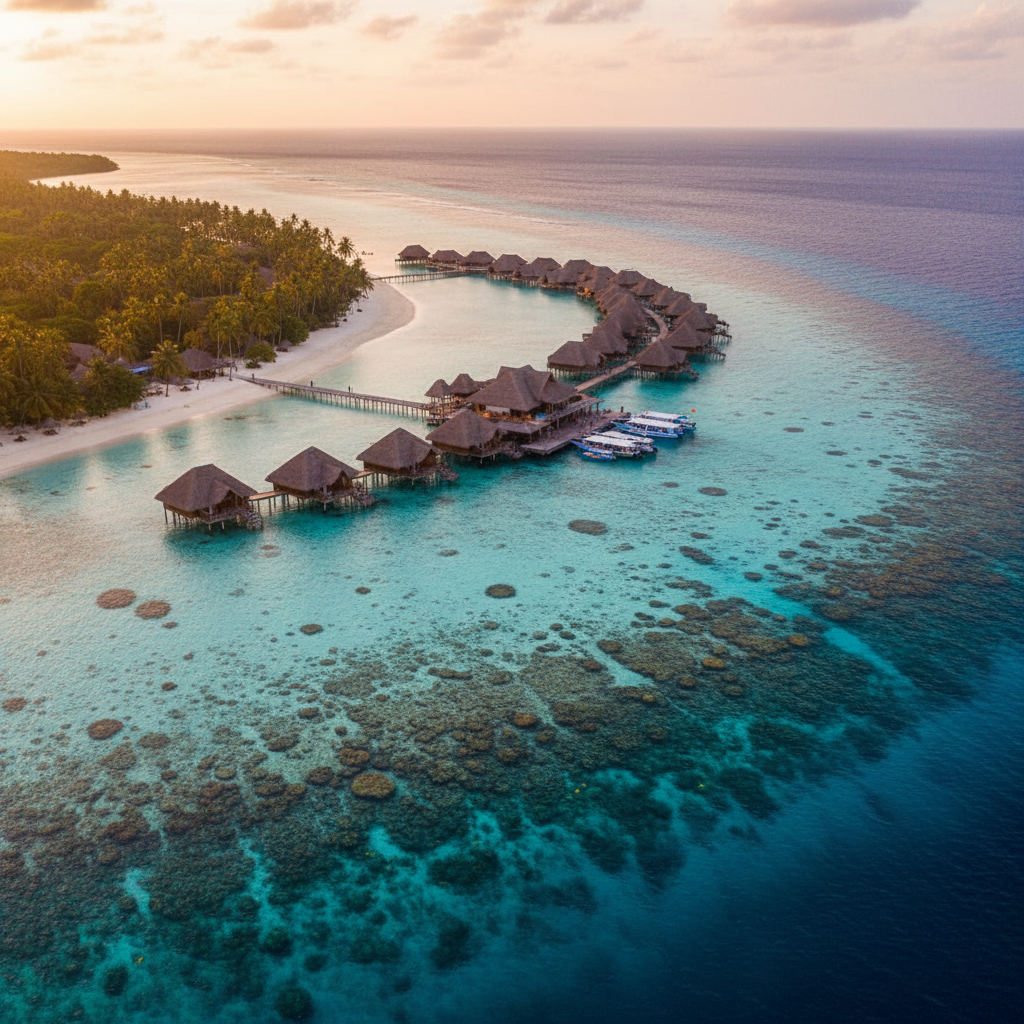
Below is the consensus ranking compiled from Wakatobi Dive Resort’s site database, the Operations Wallacea reef monitoring program, and over 1,200 verified reviews on TripAdvisor and DiveAdvisor. Sites are listed by region.
Tomia Region (Premium Sites — accessible from Wakatobi Dive Resort)
- Roma — Submerged seamount, 8-200m, advanced. Trevally action, occasional reef sharks, named for the resemblance to Roman ruins.
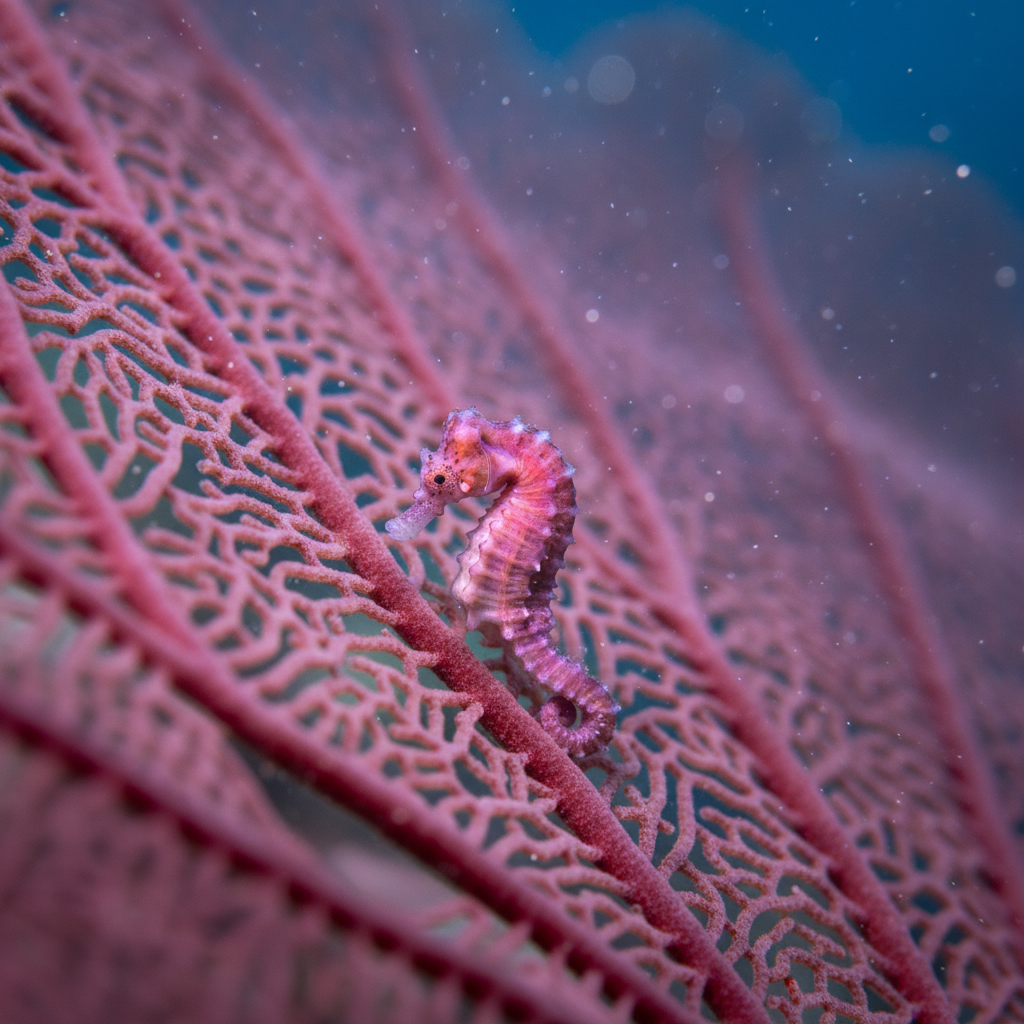
- Cornucopia — Wall, 12-40m, all levels. Soft coral garden with pygmy seahorse colony. Photographer’s dream.
- House Reef Tomia — Walk-in shore dive, 2-40m, all levels. 25+ macro subjects per dive. Mandarinfish at dusk.
- Magnifica — Coral garden, 5-25m, all levels. Anemonefish carpets, easy current.
- Trigger Wall — Wall, 10-40m, intermediate. Massive sea fans for wide-angle.
- Treasure Hill — Pinnacle, 10-30m, all levels. Manta cleaning station nearby.
- Treasure Chest — Mini pinnacle, 8-25m, all levels. Schooling fish, easy current.
- Table Coral City — Slope, 8-30m, all levels. Largest table coral aggregation in the park.
Kaledupa Region (Mid-Park, Cultural Heritage Area)
- Karang Kaledupa — Manta cleaning station, 10-25m, all levels. Year-round manta sightings April-October peak.
- Sampela Reef — Drift, 8-30m, intermediate. Sea nomad village backdrop.
- Pak Kasims Pinnacle — Pinnacle, 12-35m, advanced. Strong currents, pelagic action.
- Mari Mabuk — Drift, 15-40m, advanced. Translates to “Let’s Get Drunk” — for the dizzying current and fish density.
Wangi-Wangi Region (Resort Hub Area)
- Mari Mabuk Wangi — Wall, 10-30m, intermediate. Less crowded than Tomia.
- Outer Reef — Wall, 5-40m, all levels. Closest to Patuno Resort.
- Karang Kapota — Pinnacle, 8-30m, all levels. Reef shark sightings.
- Liya Togo Wall — Wall, 12-40m, intermediate. Cultural site of historic Liya Fortress visible from boat.
Binongko Region (Remote Frontier — Liveaboard Access)
- Ali Reef — Wall, 10-50m, advanced. Untouched soft coral, hammerhead schools (rare).
- Binongko Outer Reef — Drift, 10-40m, advanced. Pelagic encounters, occasional thresher sharks.
- Coral Triangle Reef — Plateau, 12-30m, all levels. Highest documented coral diversity in the park.
Detailed Cost Breakdown: What a 7-Night Wakatobi Trip Actually Costs in 2026
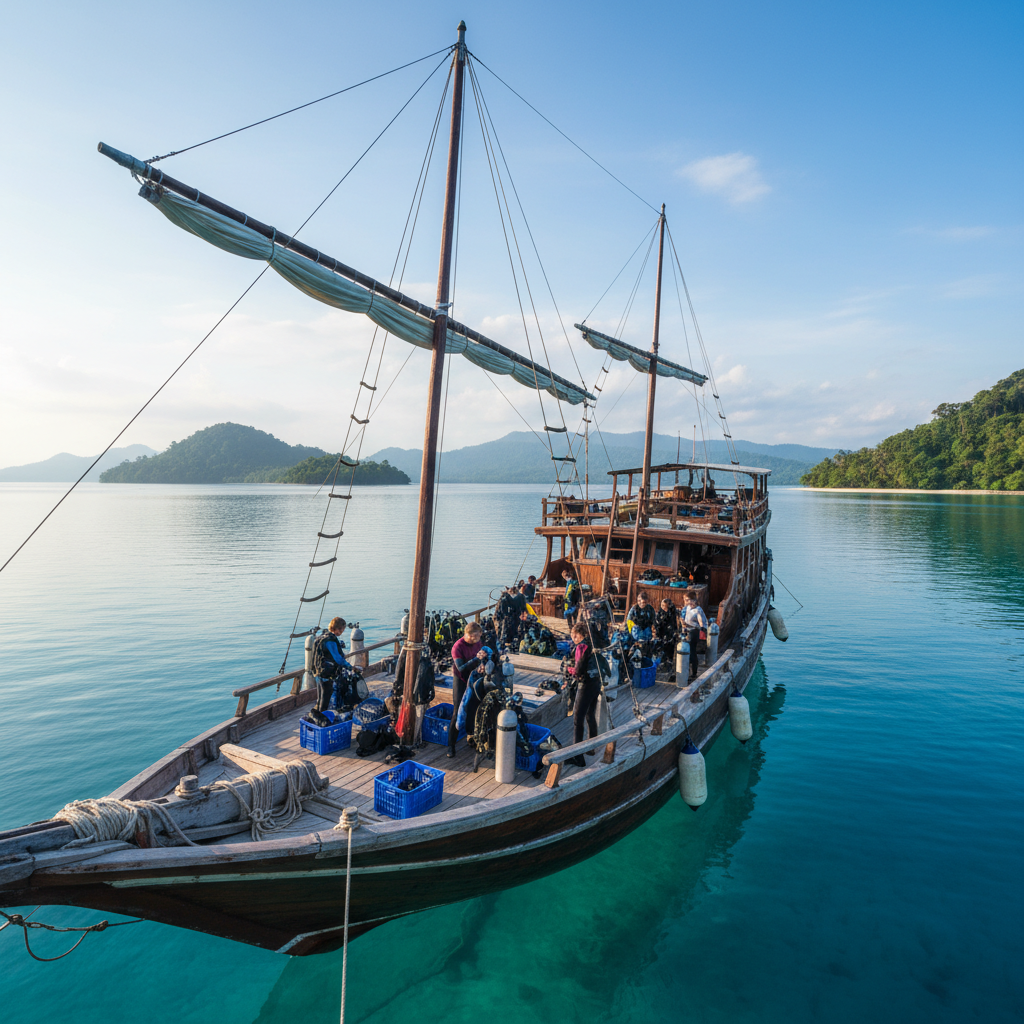
The headline price is rarely the total price. Here is the actual 2026 budget for a single diver booking 7 nights at Wakatobi Dive Resort, originating from a US East Coast city (representative for most US/EU travelers):
- Wakatobi Dive Resort (7 nights, garden bungalow, twin share base): $4,450 per person
- Single occupancy supplement (if traveling solo): +$1,335
- Private flight Bali (DPS) → Tomia round trip (mandatory): $730 per person
- International flights (Boston/NYC → Bali via Singapore/Tokyo): $1,200-2,400
- 1-2 nights pre/post in Bali (mid-range hotel + meals): $200-400
- Travel insurance with diving coverage: $80-120
- DAN dive insurance annual membership: $40-100
- Tipping (resort enforces no-tipping, but local guides on Bali appreciate $10-20/day): $30-60
- Camera rental from resort (if not bringing own): $250-450 per week
- Souvenirs and incidentals: $100-200
Total realistic budget: $7,400-10,700 per person for a 7-night Wakatobi-only trip. Couples pay only marginally more (no single supplement, shared room cost). For a 10-night trip add approximately $2,000 per person to the resort cost.
Wakatobi vs Raja Ampat vs Maldives: Honest Comparison
The three destinations most often compared by serious divers planning a once-in-a-lifetime trip are Wakatobi, Raja Ampat, and the Maldives. Each excels at something different.
- Marine biodiversity: Raja Ampat (1,800+ fish species) > Wakatobi (942 species) > Maldives (300+ species). Both Indonesian destinations vastly exceed the Maldives.
- Macro photography: Wakatobi is the global standard. Raja Ampat is excellent. Maldives is mediocre for macro.
- Pelagic encounters: Maldives leads (whale sharks, manta aggregations year-round, hammerheads) > Raja Ampat > Wakatobi.
- Resort comfort: Maldives is the global standard. Wakatobi Dive Resort matches or exceeds most Maldivian dive resorts. Raja Ampat is generally rustic.
- Liveaboard quality: Indonesian phinisi liveaboards (Wakatobi/Raja Ampat) are now the global luxury standard. Maldivian liveaboards are good but increasingly outpaced.
- Cost: Raja Ampat liveaboard ($7,500-12,000) > Wakatobi resort ($7,400-10,700) > Maldives resort liveaboard ($5,500-9,500).
- Access: Maldives is the easiest (direct flights from many cities to Male). Indonesia requires multiple connections.
The most common conclusion among divers who do all three: the Maldives for honeymoon and pelagics, Wakatobi for the most relaxed luxury macro experience in Indonesia, Raja Ampat for the absolute peak of marine biodiversity if you can handle a liveaboard. Many divers do Wakatobi and Raja Ampat in the same Indonesia trip via combined liveaboard itineraries.
Diving Certifications Available in Wakatobi
Wakatobi Dive Resort, Patuno Dive Center, and Hoga Island Dive Center all offer PADI and SSI certifications. The most common courses booked by visiting divers:
- PADI Open Water (3-4 days, $550-720) — Suitable for non-divers planning a trip. Combine with 7-night package for great results.
- PADI Advanced Open Water (2-3 days, $380-450) — Strongly recommended for first-time Wakatobi divers to access deeper sites like Roma.
- PADI Nitrox Specialty (1-2 days, $220-280) — Wakatobi Resort provides free nitrox to certified divers, paying back the course cost in extended bottom time within 4-5 days.
- PADI Underwater Photographer (2 days, $350-450) — Resort photographers offer this with rental cameras included.
Responsible Travel: How Wakatobi Tourism Funds Reef Conservation
Wakatobi Dive Resort operates the largest private marine protected area in Indonesia under a collaborative agreement with the Wakatobi National Park authority and 17 local villages. Each guest contributes (built into the rate) a $20 per night conservation fee that funds the village patrols preventing destructive fishing in the Tomia area. Since 2002, this collaborative protection has resulted in measurable increases in fish biomass on the protected reefs (verified annually by the Operations Wallacea reef monitoring program). Visiting Wakatobi is one of the few diving experiences where you can honestly say your tourism dollars directly fund verifiable reef protection.
The Bottom Line: Should You Book Wakatobi?
If you are a certified diver who can budget $7,500-10,000 per person for a once-in-a-lifetime trip, who values reef preservation and macro photography, and who can carve out 10-14 days for the journey including travel time — yes, Wakatobi consistently delivers on its reputation. The diving genuinely is among the world’s best, the resort genuinely does live up to the price point, and the impact of your trip on local conservation is genuinely measurable. If your budget is under $5,000 per person, consider Lembeh Strait or Bunaken in nearby Sulawesi instead, both reachable from Manado for far less. If your priority is seeing whale sharks and large pelagics, consider Cenderawasih Bay in Papua or the Maldives. If you want the absolute peak of marine biodiversity and don’t mind a liveaboard, Raja Ampat remains unmatched. But for the singular combination of luxury, accessibility, biodiversity, and conservation impact — Wakatobi remains the world’s premier scuba diving destination, and it has earned that title fairly.
Plan Your Wakatobi Trip
Custom itinerary planning, resort booking, and trip coordination by our Indonesia luxury travel specialists.